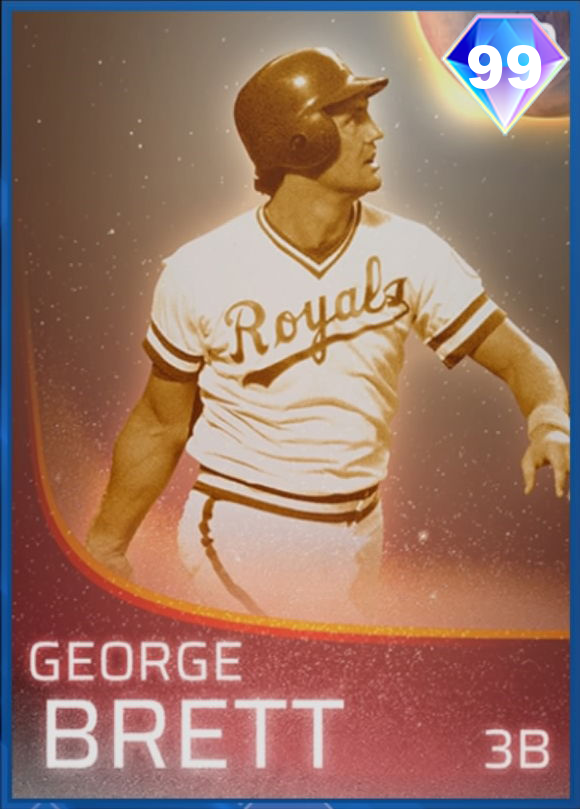
MLB The Show 18, released on March 27, 2018, by San Diego Studio, aimed to elevate its popular Diamond Dynasty mode with bold innovations and intense content grinds. With Aaron Judge gracing the cover, this installment promised an immersive baseball simulation experience with enhanced gameplay and stunning visuals. However, what defined MLB The Show 18 most was the controversial introduction of Immortal cards and the demanding path to obtaining them, which polarized the player base and sparked debates on the balance between effort and reward.
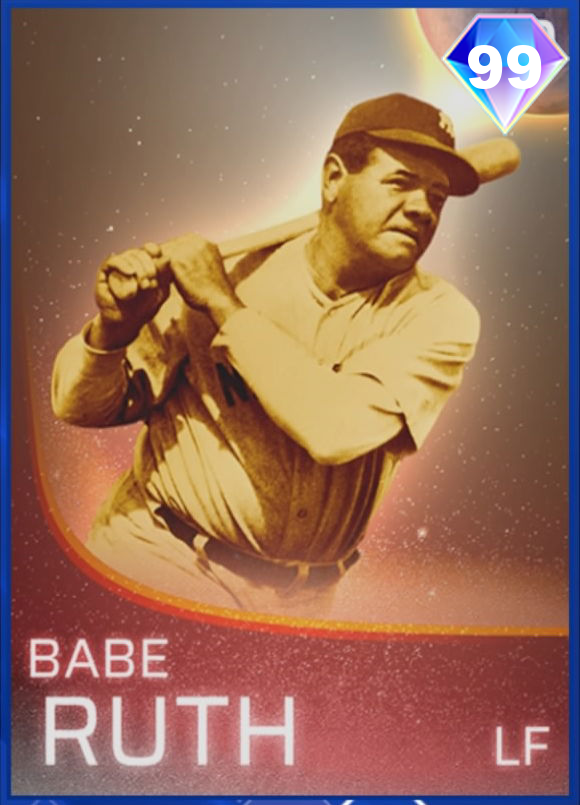
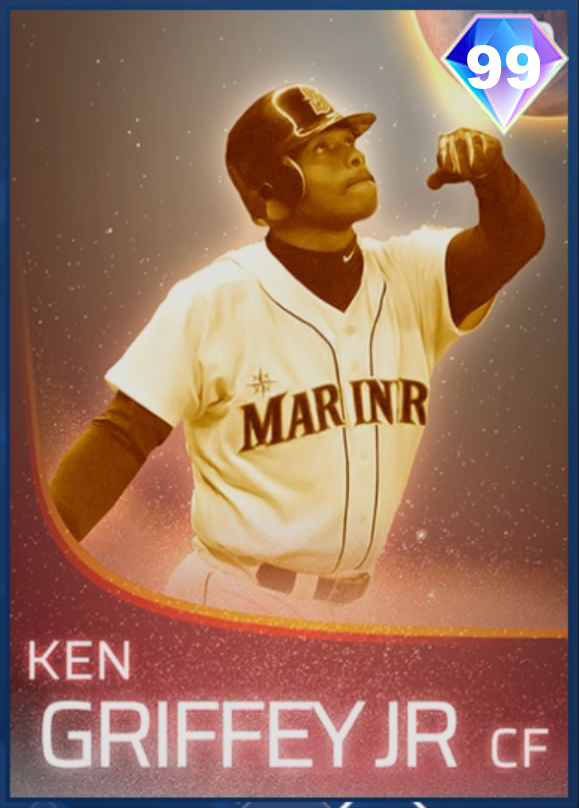
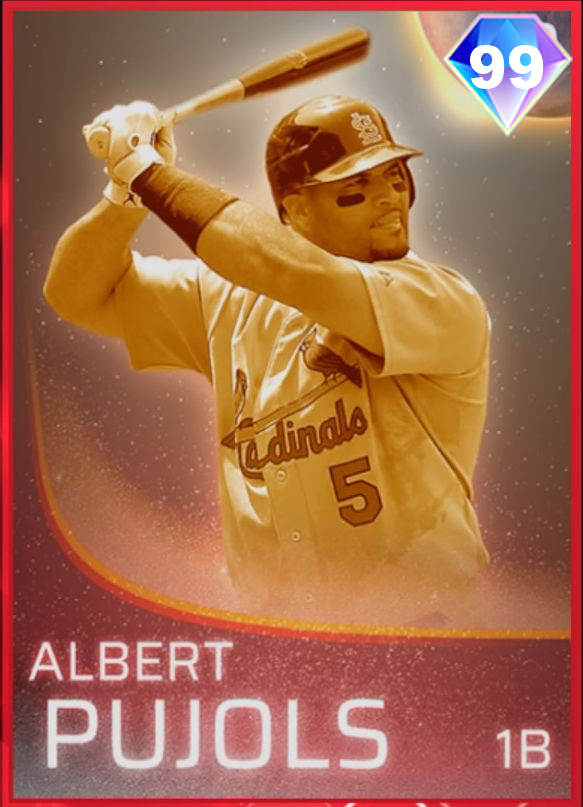
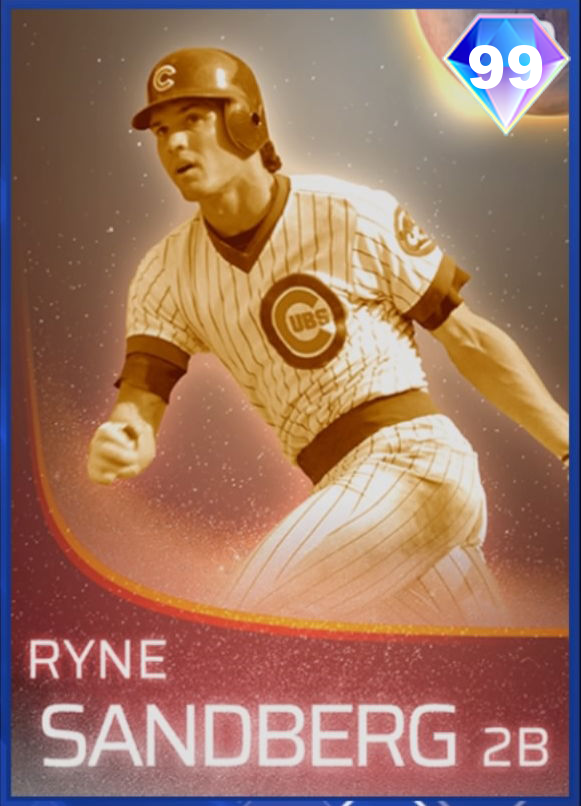
In MLB The Show 18, San Diego Studio introduced Immortal cards—ultimate representations of legendary players with maxed-out attributes. These cards were the pinnacle of card collecting, offering unmatched performance but requiring players to complete a series of difficult, multi-layered missions before they could even begin grinding for them. The introduction of Immortal cards shifted the focus of Diamond Dynasty towards long-term engagement, but the structure favored the most committed “sweaty” players rather than those with pure skill.
To unlock Immortal cards such as Babe Ruth, players had to complete multiple Career Arc programs, which were themselves gated behind the completion of several positional programs. For example, the path to Babe Ruth’s Immortal card required completing both the Billy Williams and Albert Belle Career Arcs, each of which involved progressing through numerous other programs with challenging missions. One of the most infamous among these was the Daniel Nava mission, which demanded players hit two doubles in a single game using a card with minimal power—akin to trying to hit doubles with a pitcher.
Completing Career Arcs meant accumulating hundreds of hits, extra-base hits, and home runs with various versions of players, often in specific positions like left or right field. For Albert Belle’s program alone, players had to secure over 700 hits and dozens of home runs, in addition to completing costly exchanges involving thousands of “souvenirs,” such as bobblehead cards, which were only useful for exchanges and held little inherent value. The high cost of these items on the in-game marketplace, combined with limited tools for flipping cards and gathering stubs, made these missions prohibitively expensive for many players.
The Immortal grind structure was heavily criticized for rewarding sheer persistence and time investment over actual skill. Players who dedicated hours to grinding missions on rookie difficulty could eventually secure these cards, but those who excelled in competitive gameplay were left to face repetitive challenges with little room for their expertise to shine. This imbalance led to questions from the community about whether the game was promoting true competition or just favoring those with the most free time.
This controversy influenced the direction of future iterations of MLB The Show, where San Diego Studio began emphasizing Battle Royale (BR) and Ranked Seasons rewards. This pivot allowed highly skilled players to earn top-tier rewards through competitive gameplay rather than time-intensive, repetitive grinds.
An unexpected twist in MLB The Show 18 was the emergence of a low-level Bronze card, live series Ryan Schimpf, who quickly became an icon within the community. Due to a glitched swing animation that maximized power, Schimpf became a fixture in ranked lineups despite his modest attributes. As a left-handed second baseman with a two-handed pull swing finish, he fit the meta perfectly during a period when the game had a content gap at second base. SDS ultimately adjusted his card rating downward to curb his popularity, even though his real-life performance did not warrant such a change. This adjustment led many players to transition to using Corey Seager, who had a similar swing and retained reliable attributes throughout the year.
While MLB The Show 18 focused heavily on Diamond Dynasty content, it did bring refinements to on-field gameplay. Improved fielding animations and a revamped feedback system added depth to the experience. Enhanced hit variety and realistic ball physics contributed to a more immersive baseball simulation. Despite these improvements, core modes like Franchise and Road to the Show received only minimal updates, which left some long-time fans wanting more.
MLB The Show 18 is remembered as a pivotal entry that pushed the boundaries of content grinds and reward structures. Its Immortal card system showcased the studio’s ambition but also underscored the fine line between engaging gameplay and excessive time demands. The shift to prioritizing BR and Ranked Seasons rewards in subsequent years marked a response to the criticisms of MLB The Show 18, aiming to better balance content between dedicated grinders and highly skilled players. The era of MLB The Show 18 stands as a case study in community response and the ongoing evolution of sports gaming.
MLB The Show 18 was released on March 27, 2018 for PlayStation 4.
MLB The Show 18 is available on PlayStation 4.
The cover athlete for MLB The Show 18 is Aaron Judge. There are also special and international edition covers featuring other athletes.
MLB The Show 18 has 1,745 total cards in Diamond Dynasty, including 161 diamond-tier cards. Browse all cards on ShowZone's player database.