
 2
2 2
2Epic Rewards
Rare Rewards
·3,440 StubsEvery Diamond Quest with epic and rare reward paths, board mechanics, peanut strategy, and tips for clearing the Zone Sweeper.
Every active Diamond Quest with epic and rare reward paths, player cards, packs, and value breakdowns.
22 22
22
 2
2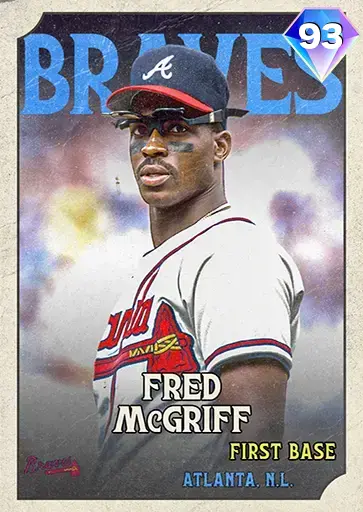
 2
2
 2
2
 2
2
 2
2Pink Egg
Purple Egg

 2
2Diamond Quest is an offline Diamond Dynasty mode built around a short board-game-style run. You roll dice to move across a themed map, landing on different tiles — challenges, treasures, shops, and stadiums — collecting Peanuts and stacking temporary perks along the way. Each quest has two Stadium tiles on the same map. Each Stadium has one assigned reward card — one is the quest's Epic-tier card and one is the Rare-tier card (which Stadium holds which varies per quest). On a complete run you play both Stadiums and claim both reward cards in one go.
The key mechanic: every challenge tile you complete boosts your reward roll odds by roughly 3-5%. Those odds determine whether the reward card actually drops when you win a Stadium. With minimal tile completion, base Stadium reward rolls are mostly coin flips even on a clean win. Stack tile wins first and your odds push toward 100% on both Stadiums' reward cards — meaning a Stadium win at maxed odds is a near-guaranteed card drop.
Diamond Quest rewards are repeatable. Every Stadium win is a fresh roll on the rarity odds — both the Epic and Rare reward cards re-drop on subsequent runs (this is why community grinders chain runs at ~30-40K stubs per hour). Some third-party guides incorrectly claim these are one-time-per-account rewards; ShowZone's content team verifies in-game, and the mode is designed for repeated runs indefinitely.
Each turn you roll dice to move across the themed board. You can sometimes choose between branching paths, which lets you route toward specific reward tiles or away from hazards.
Tiles include Challenge tiles (short scenarios like "get an RBI" or "strike out two batters"), Treasure tiles (instant pack/item drops), Coach's Cart tiles (the in-quest shop), and Stadium tiles (boss 3-inning games — the route to the Epic and Rare reward cards). Most quests have two Stadium tiles on the map.
Peanuts are the quest currency. You earn them from completing Challenge tiles and from random Peanut awards on the board itself — NOT from highlight plays during games (despite what some other guides incorrectly state). Spend Peanuts at Coach's Cart for perks. Peanuts now carry between quests (Game Patch #4, March 2025), so banking them for the right shop is fine.
The Zone Sweeper is a moving board hazard with a predictable pattern. If it catches you, you're forced into a Legend-difficulty punishment game. Lose that game and you forfeit 50% of your collected Peanuts plus a one-game negative-perk debuff that wears off the next round. It's annoying — not run-ending — but the lost Peanuts mean fewer Coach's Cart perks for the stadium.
This is the most important mechanic in Diamond Quest: every challenge tile you complete boosts your reward rarity odds by roughly 3-5%. Stack enough tile wins and your cumulative odds going into the final Stadium can approach 100% on the Rare/Epic rewards. More tiles completed = better stadium rewards AND viable lower-difficulty stadium runs (because the odds are already maxed).
Each quest has two Stadium tiles on the same map. Each Stadium has one assigned reward card — one is an Epic-tier card and one is a Rare-tier card (which Stadium gets which varies per quest, so don't treat the Stadiums themselves as "Epic" or "Rare"). Both are 3-inning boss games against an AI team. You pick the difficulty (Veteran / All-Star / HOF / Legend) before each game — higher difficulty independently boosts your chance at the reward card on top of the tile-completion odds. A clean Stadium win then triggers the reward roll based on those combined odds.
The two reward cards — Epic-tier (typically a 95+ overall) and Rare-tier (lower-overall but still Diamond-eligible) — re-drop on every successful Stadium win, subject to your accumulated reward roll odds. There is NO one-time-per-account limit despite what some other guides claim. That's why grinders chain Diamond Quest runs at ~30-40K stubs per hour: every clean Stadium win is another shot at that Stadium's assigned reward card plus all the Treasure/pack/stub drops along the path.
This is the entire meta of Diamond Quest. Capture every open challenge tile possible BEFORE playing either Stadium — each tile win boosts your reward roll odds by ~3-5% and the gains stack across the whole run. Then play both Stadiums back-to-back as your last moves on the board, so both reward rolls fire at near-maxed odds. Skip this and you're rolling weak odds on Stadium wins (the reward card often doesn't drop even on a clean boss win); do it right and you walk away with both the Epic and Rare reward cards on most runs.
Once you've banked enough tile wins to push your odds near 100%, you can play the Stadium on a lower difficulty (Veteran or All-Star) and still walk away with the top-rarity rewards. That's a much higher win rate than rushing the Stadium on Legend hoping for a clutch performance against elite pitching with no perks. The dice rolls force some randomness — but route choices should prioritize tile-rich paths.
Losing to the Sweeper isn't run-ending — you forfeit 50% of your collected Peanuts plus a one-game negative-perk debuff that wears off after the next round. But fewer Peanuts means fewer Coach's Cart perks at the Stadium, which lowers your win rate. Track the Sweeper's predictable pattern each turn and reroute around it when a small detour is available.
Peanuts are tools, not savings. Spend them at the Coach's Cart on perks that help your current run — exit velocity, contact boost, defensive boost, pitcher perks. Hoarding Peanuts past the last shop before a Stadium leaves boosts on the table for the one game you actually need them for.
Higher Stadium difficulty (HOF / Legend) does improve the reward table — but only if you can close a 3-inning game consistently at that level. If you're winning 30% on Legend and 70% on HOF, the math favors HOF every time. Combine this with the tile-completion mechanic above: a maxed-odds run on Veteran often beats a half-prepped run on Legend.
Don't play either Stadium until you've cleared as many tiles as possible. Each tile completion increases your reward roll odds going into both Stadiums — they're paid out from the same accumulated odds pool. Once your odds are maxed (or as close as you can get without crossing the Zone Sweeper), play both Stadiums back-to-back at the end of the run. Pick a difficulty you can close back-to-back too — losing one Stadium only forfeits that one's reward card on this run (the other Stadium remains available), but you only get one boss attempt at each per playthrough.
Challenge tiles are short scenarios ("get an RBI", "score a run", "strike out two batters") that usually resolve in 1-3 at-bats. A speed-first lineup that can drag-bunt for hits and steal bases clears these way more reliably than slow power hitters waiting for a meaty pitch. Stack your bench with speedsters specifically for the short-tile gauntlet.
Stadium bosses throw elite Diamond pitching. Same matchup rule as Showdowns: LHH vs RHP and RHH vs LHP outperforms raw OVR. Save platoon-favorable hitters on your bench specifically for the Stadium pinch-hit spots — and bench platoon-disadvantaged starters before the boss game so you can swap them in for the right side later.
Same trick that works in Showdowns: be ultra-patient on the first 2-3 batters to drain the boss pitcher's confidence and stamina. A Diamond-rated pitcher at red stamina is dramatically easier to hit than one at full confidence. Foul off pitches, take borderline calls, push every AB to 5+ pitches. The Stadium game becomes much more winnable once you've worked his stamina down.
Another Showdown carryover: CPU pitchers almost never pitch out at a 2-ball count. Work the count to 2 balls (take strikes early), then steal on the next pitch. Speedsters pinch-running for slower sluggers compounds the value. Manufactured runs are how you beat Stadium pitchers who don't give up hits.
Both the Epic and Rare reward cards re-drop on every successful win of their respective Stadium — they're NOT one-time rewards (regardless of what some other guides say). That makes the highest-Content-Value-Rating quests genuinely worth chaining: stack tiles, win the Stadium reliably, claim the card, restart, repeat. Community grinders clock ~30-40K stubs per hour this way. Pair that with Peanuts carrying between quests (since the March 2025 patch) and your Coach's Cart bank grows run-over-run.
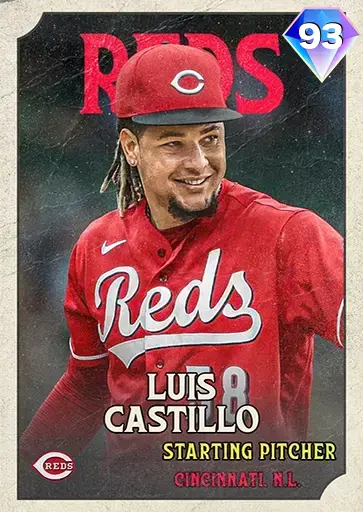
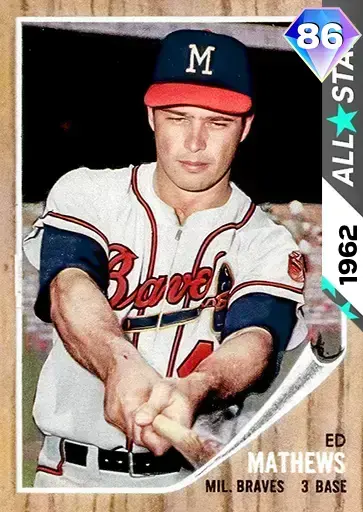
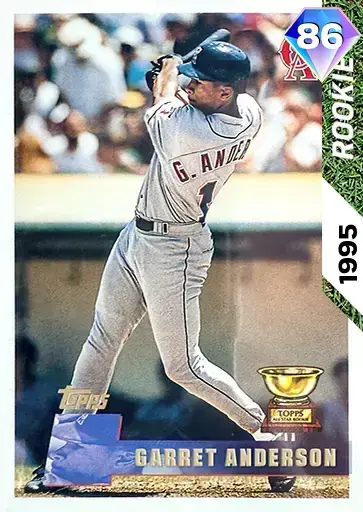
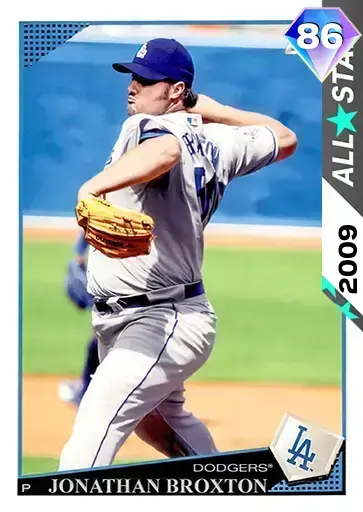
The Epic-tier player card on each Diamond Quest — typically a 95+ Diamond themed card. Assigned to one of the quest's two Stadiums (which Stadium gets the Epic varies per quest). Drops on a successful Stadium win subject to your accumulated reward roll odds. Repeatable on every successful run — not one-time-per-account.
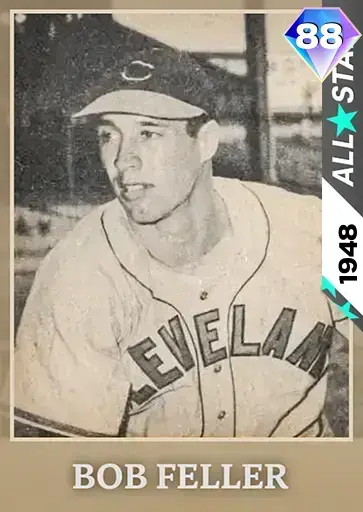
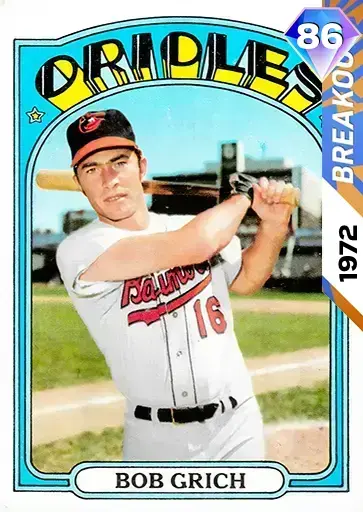
The Rare-tier player card on each Diamond Quest — usually a lower-overall Diamond or strong Gold, still Diamond-Dynasty-eligible. Assigned to the quest's other Stadium. Drops at higher base odds than the Epic card. Repeatable on every successful run — not one-time-per-account.
Treasure tiles and challenge wins along each Stadium's path accumulate packs, equipment items, and stubs. Combined with the repeatable Epic and Rare reward cards, Diamond Quest chains into one of the highest stubs-per-hour grinds in DD — community grinders clock ~30-40K stubs per hour at peak.
Diamond Quest is an offline Diamond Dynasty mode in MLB The Show 26 built around short board-game-style runs. You roll dice to move across a themed map, landing on Challenge tiles (short baseball scenarios), Treasure tiles (pack/item rewards), Coach's Cart tiles (the in-quest shop where you spend Peanuts on perks), and Stadium tiles (3-inning boss games). Each quest has two Stadium tiles on the same map; each Stadium has one assigned reward card — one is an Epic-tier card and one is a Rare-tier card (which Stadium holds which varies per quest). The key mechanic: every challenge tile you complete boosts your reward roll odds by roughly 3-5%, stacking toward ~100% by the time you reach a Stadium — so the more tiles you beat, the better your chance the reward card actually drops on a Stadium win. Both reward cards are repeatable on every successful run, which is why Diamond Quest works as a chained farming loop (~30-40K stubs/hour at peak). ShowZone currently tracks 9 active Diamond Quests with 386,475 stubs of total content across all of them.
The single biggest strategy in MLB The Show 26 Diamond Quest is the order of operations: capture every open challenge tile FIRST, then play both Stadiums last. Each tile win boosts your reward roll odds by ~3-5%, and stacking those wins pushes your odds toward 100% on both Stadiums' reward cards. Save the Stadiums for the end of the run and your reward rolls fire at near-maxed odds — that's how you walk away with both Epic and Rare cards on most runs. Higher Stadium difficulty also independently improves your reward chance, but only matters if you can actually close the boss game. Other ingredients: avoid the Zone Sweeper (reroute when you can); spend Peanuts proactively at Coach's Cart (they're tools, not savings); stack matchups going into Stadiums (LHH vs RHP, RHH vs LHP); drain the boss pitcher's stamina with patient at-bats; steal on 2-ball counts. Full breakdown is on the "How to Play" tab above under Pro Tips.
By total stub value, Summer is currently the highest-reward Diamond Quest in MLB The Show 26 at 78,484 stubs worth of player cards, packs, and items across the Epic and Rare paths combined. ShowZone's Content Value Rating for this quest is 49/10 (factors in reward quality vs. expected time to complete). Sort the quests list above by Total Value or Rating to see the full ranked order.
The Zone Sweeper is a board hazard in MLB The Show 26 Diamond Quest that moves in a predictable pattern each turn. If it lands on the same tile as you, you're forced into a Legend-difficulty punishment game. Lose that game and the penalty is: 50% of your collected Peanuts forfeit, plus a one-game negative-perk debuff that wears off after the next round. It's a real cost — fewer Peanuts means fewer Coach's Cart perks for the Stadium — but it's NOT a run-ender. Track the Sweeper's pattern each turn and reroute when a small detour is available. Worth the extra tile cost almost every time.
Peanuts are the in-quest currency in MLB The Show 26 Diamond Quest, and they come from two sources: (1) completing Challenge tiles on the board, and (2) random Peanut awards on certain board tiles. Peanuts are NOT earned from in-game gameplay (home runs, strikeouts, great defensive plays, etc.) — multiple third-party guides incorrectly claim that, but ShowZone's content team has verified in-game that Peanuts only come from the board itself. Spend Peanuts at Coach's Cart tiles — the in-quest shop — on team-wide perks (exit velocity, contact, defensive, pitcher boosts). Peanuts now carry between quests (Game Patch #4, March 2025), so banking them for the right shop is fine — but treat in-run Peanuts as tools, not savings. Spend them at Coach's Cart on perks that help your current run before you hit the Stadium, not after.
Every challenge tile you complete in MLB The Show 26 Diamond Quest boosts your reward rarity odds by roughly 3-5%. Those gains stack across the whole run — by the time you reach a Stadium, players who beat most of the tiles on the board can have cumulative odds approaching 100% on the Epic or Rare reward card. That means tile count is the most important variable in the entire mode. A run with maxed-out tile completion on Veteran difficulty often pays better than a half-prepped run on Legend, because you've stacked the odds in your favor BEFORE the Stadium and you can play the boss game at a difficulty you'll actually win. Players who race directly to the Stadium are leaving the whole reward-odds mechanic on the table.
Every Diamond Quest in MLB The Show 26 has two Stadium tiles on the same map. The Epic and Rare labels refer to the reward CARDS, not the Stadiums themselves — each Stadium is assigned one of the two reward tiers (which goes where varies per quest, so don't think of them as "Epic Stadium" vs "Rare Stadium"). The Epic-tier card is typically a 95+ Diamond themed card; the Rare-tier card is a lower-overall Diamond or strong Gold, still Diamond-Dynasty-eligible. The standard play is the same regardless of which Stadium holds which: clear every tile first to max your reward roll odds, then play both Stadiums last to claim both cards. Both reward cards are repeatable on every successful run — not one-time-per-account.
Higher Stadium difficulty (HOF / Legend vs Veteran / All-Star) independently improves your reward chance on top of the tile-completion odds. In general, players share from their experience that on GOAT difficulty you're effectively guaranteed to get the Rare reward and around 70% on the Epic — though these are community-reported numbers, not official SDS figures. The catch: it only pays off if you can actually close a 3-inning game at that level. Pair difficulty with the tile-completion mechanic: if you've cleared most tiles before playing, your reward roll odds are already near-maxed, so even a Veteran or All-Star Stadium win is enough to walk away with the reward card. A reliable Veteran win on a maxed-odds run beats a coin-flip Legend attempt on a half-prepped one. Losing a Stadium boss game means you don't get that Stadium's reward card — pick the difficulty you'll actually close.
Losing a Stadium boss game means you don't claim that Stadium's reward card on this run — but the other Stadium on the same quest is still available to attempt if you haven't already played it. The Zone Sweeper penalty is separate and much smaller: just 50% of your Peanuts forfeit plus a one-round debuff. Practical implication: pick a Stadium difficulty you can close reliably. With the tile-completion mechanic already stacking your reward roll odds toward 100% if you played tiles first, you don't need Legend difficulty to walk away with both reward cards. Veteran or All-Star with maxed odds is almost always the right call. If you're chasing both Stadium reward cards on the same run, that's two boss games to close back-to-back — pick a difficulty you can win twice in a row.
Most Diamond Quests take 2-4 hours to fully complete (clearing tiles + winning both Stadiums for both reward cards) depending on Stadium difficulty, board luck (Zone Sweeper detours add time), and your skill level. Shorter routes that skip some tiles can clear in 45-75 minutes but at the cost of reward roll odds. Players chaining quests purely for stubs can run shorter optimized loops — community grinders report 30-40K stubs per hour at peak when farming with focused routes.
Yes — Diamond Quests are fully repeatable, and that includes both the Epic and Rare reward cards. Every successful Stadium win is a fresh roll on the rarity odds, so both reward cards can re-drop on subsequent runs (plus all the Treasure / pack / item / stub rewards along each Stadium's path). That's why Diamond Quest works as a chained farming loop — community grinders clock ~30-40K stubs per hour when chaining runs on the highest-value quests. Peanuts also carry between quests (since the March 2025 Game Patch #4), so subsequent runs build your Coach's Cart bank. Some third-party guides incorrectly state that the Epic and Rare reward cards are once-per-account — they're not, ShowZone's content team has verified this in-game. The mode is designed for repeated runs indefinitely.
By ShowZone's Content Value Rating + total stubs value, Summer (49/10) is currently the highest-value quest in MLB The Show 26 — 78,484 stubs of total content per run. Since both Epic and Rare reward cards are repeatable on every Stadium win, that's the right quest to chain for stubs-per-hour. ShowZone Pro members get more: live "best quest to grind right now" recommendations that factor in current Community Market prices on each quest's pack and card rewards (the optimal grind target shifts as the market moves), plus per-card price tracking so you can decide when to quicksell duplicate Epic/Rare pulls vs hold for the market.
Yes. Diamond Quest is an offline Diamond Dynasty mode — the squad you take into the board games is composed of DD-eligible player cards, and all rewards (Epic + Rare reward cards, packs, stubs, items, XP) deposit straight into your DD inventory and program progress. Diamond Quest reward cards are also some of the strongest exclusive-mode cards in the game, often featuring unique themes (legends tribute, milestone events, etc.) you can't pull from packs.